
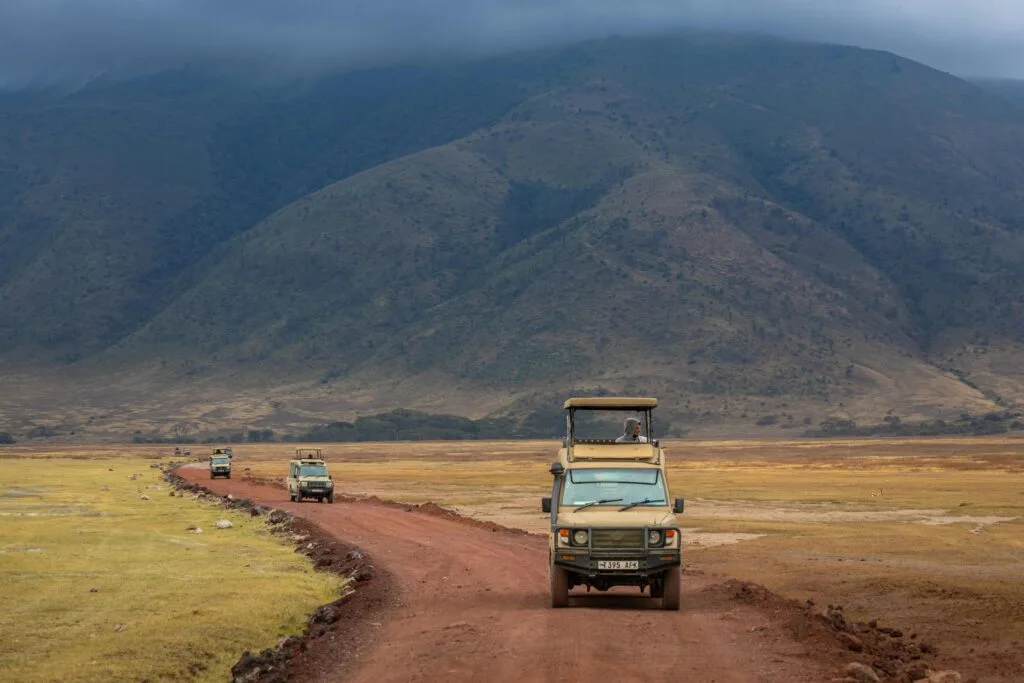
Ngorongoro Crater
The World’s Largest Intact Caldera – Nature’s Wildlife Eden
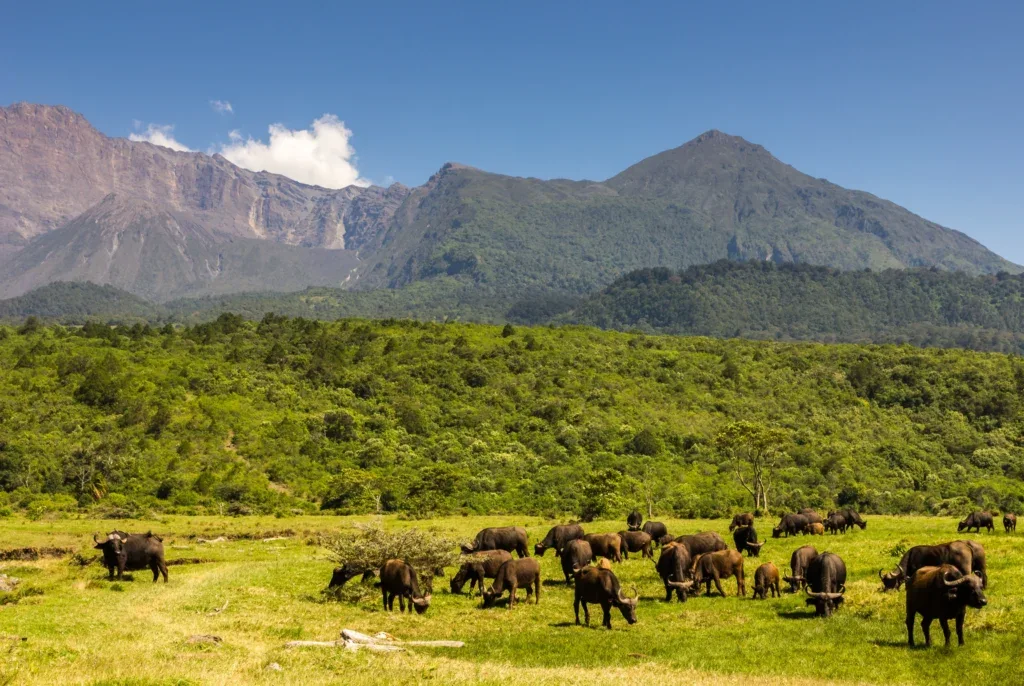
A UNESCO World Heritage Site and often called “Africa’s Garden of Eden,” the Ngorongoro Crater is a must-see on any Northern Circuit safari. Formed over two million years ago from a collapsed volcano, the crater floor supports a dense population of wildlife year-round, all within a natural enclosure of dramatic crater walls.
Why Visit Ngorongoro?
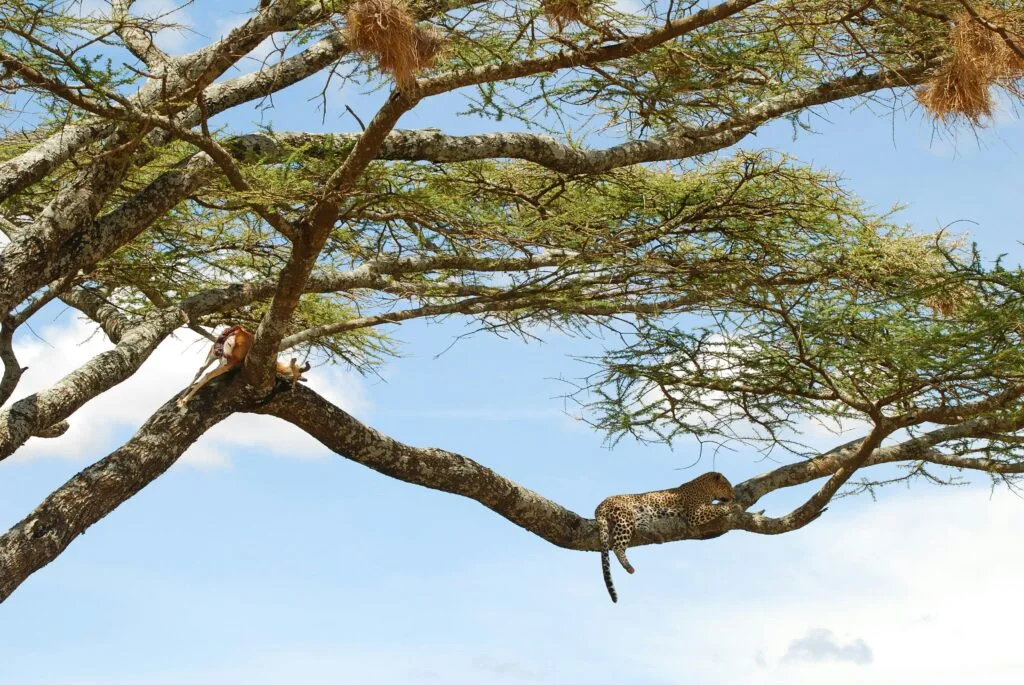
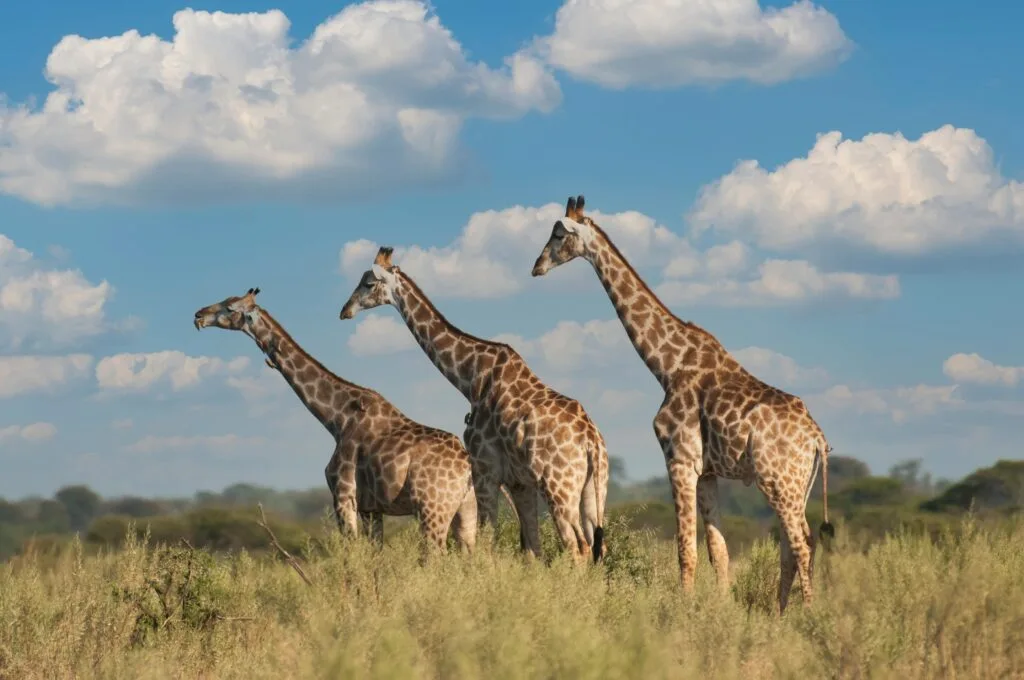
Incredible Wildlife Density: Within just 260 square kilometers, you’ll find an astonishing concentration of animals — including all Big Five (lion, leopard, elephant, buffalo, and rhino).
Easiest Place to Spot Rhinos: Ngorongoro is one of the best places in East Africa to see the critically endangered black rhino in the wild.
Unique Landscape: The combination of open grasslands, soda lakes, acacia forests, and steep crater walls makes for spectacular scenery and great photographic opportunities.
Cultural Encounters: The Ngorongoro Conservation Area is home to traditional Maasai communities who live in harmony with wildlife. Visits to Maasai villages offer insight into their ancient customs and way of life.
Best Time to Visit
Year-Round: The crater’s permanent water sources make it a reliable wildlife haven every month.
June to October: Dry season for clear skies and easy game spotting.
November to May: Green season with lush scenery and ideal for bird-watching.
Activities in Ngorongoro
Crater floor game drives (day trips)
Masai village visits
Crater rim nature walks (in some lodges)
Birdwatching and photography
Accommodation
Lodging ranges from luxurious crater rim lodges with dramatic views to eco-lodges and tented camps just outside the conservation area. Staying on the rim allows for early descent into the crater — key for the best wildlife encounters.