Train Like You Mean It
You don’t need to be a marathon runner to summit Kilimanjaro—but the fitter you are, the more enjoyable (and successful) your trek will be. The key is building cardiovascular fitness, leg strength, and endurance, while getting comfortable with long hikes and altitude effects.
This guide walks you through what type of training you need—and includes a sample 6–8 week Kilimanjaro training plan.
🏃♂️ 1. Focus Areas for Kilimanjaro Training
1.1 Cardiovascular Fitness
Activities like hiking, brisk walking, stair climbing, cycling, or swimming 3–4 times per week will help improve your heart and lung capacity.
1.2 Leg Strength & Core Stability
Strengthen key hiking muscles with exercises like:
Lunges, squats, and step-ups
Planks and core work
Calf raises and hamstring curls
1.3 Endurance & Stamina
Practice long hikes (4–6 hours) on weekends with a daypack. Try to mimic the conditions of Kilimanjaro—uneven terrain, slow pace, and some elevation gain.
1.4 Altitude Acclimatization (If Possible)
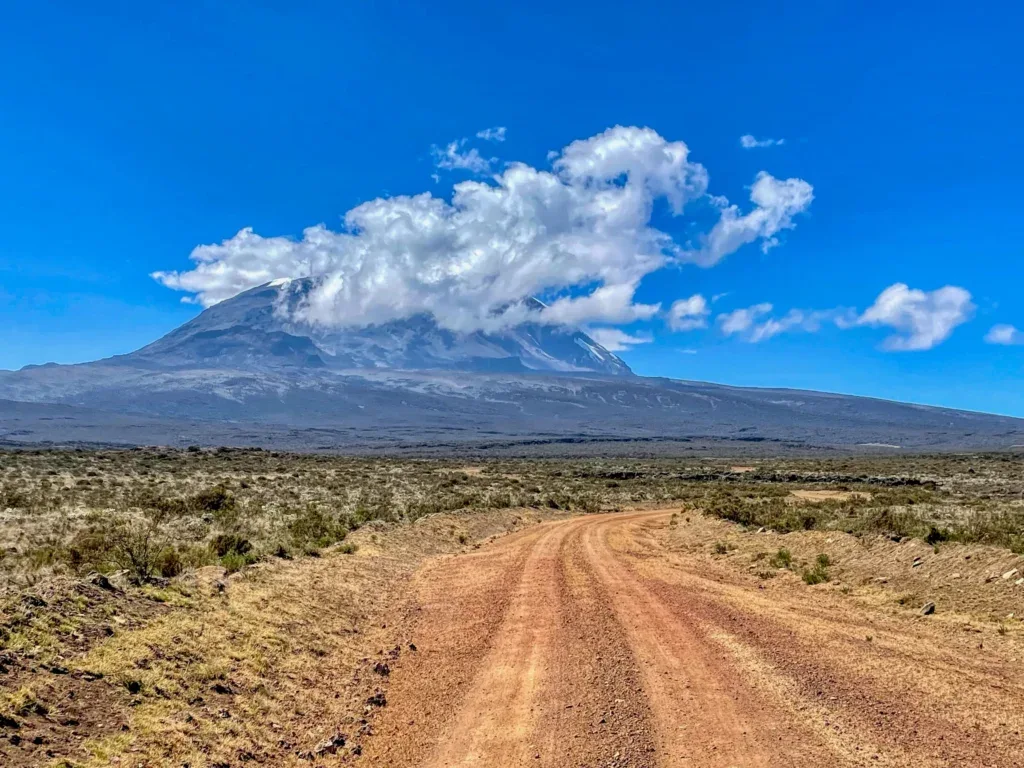
If you live at sea level, you won’t be able to simulate Kilimanjaro’s 5,895m (19,341 ft) altitude, but you can:
Hike at altitude if you’re near mountains
Try stair climbing in tall buildings
Use an altitude training mask (optional)
📆 Sample 6–8 Week Kilimanjaro Training Plan
Acclimatization is Key
Kilimanjaro is a non-technical trek, but it climbs to extreme altitude—5,895 meters (19,341 feet)—where oxygen levels are nearly 50% lower than at sea level. Altitude sickness (AMS) can affect anyone, regardless of age or fitness, which makes acclimatization one of the most important parts of your preparation.
This guide covers how to reduce the risk of altitude-related illness and train your body and mind for high-altitude trekking success.
🚶♂️ 1. Go Slowly—“Pole Pole”
The number one rule for high altitude is to go slow. Ascending too fast increases your risk of AMS. Your guides will remind you to walk pole pole (Swahili for “slowly slowly”) to help your body adjust gradually.
🕰️ 2. Choose Longer Routes
More days on the mountain = better acclimatization.
We recommend at least 7 days, with popular acclimatization-friendly routes including:
Lemosho Route (7–8 days)
Northern Circuit Route (9 days)
Machame Route (7 days)
These routes allow for “climb high, sleep low” profiles, giving your body time to adapt.
💧 3. Stay Hydrated
Drink 3–4 liters of water per day to help your body cope with altitude stress. Dehydration worsens altitude symptoms.
🍽️ 4. Fuel Your Body
Even if you lose appetite (common at altitude), eat regularly to keep your energy up. Carbs help more than protein or fat at elevation.
🧠 5. Consider Pre-Trip Altitude Exposure
If you have access to higher elevations near your home, plan a hike or overnight trip above 3,000 meters (10,000 ft). This can help your body begin adjusting before Kilimanjaro.
Visit high-altitude destinations (e.g. Colorado, the Alps, Andes, or Mt. Kenya)
Use an altitude simulation mask or sleep system (optional, limited benefit)
💊 6. Medication Options
Talk to your doctor about acetazolamide (Diamox), which can reduce AMS symptoms by helping your body adjust faster. Most trekkers take it as a preventive measure.
Note: Always test the medication before your trip to check for side effects.
🚨 7. Know the Symptoms of AMS
Mild symptoms:
Headache, nausea, dizziness, fatigue, poor sleep
Severe symptoms (seek evacuation):
Confusion, loss of coordination, breathlessness at rest, persistent cough
Your guide will monitor you daily. Never ignore symptoms—safety always comes first.
✅ Bonus Tip: Practice controlled breathing techniques to help manage shortness of breath and calm anxiety at altitude.